Age-Related Macular Degeneration (AMD)
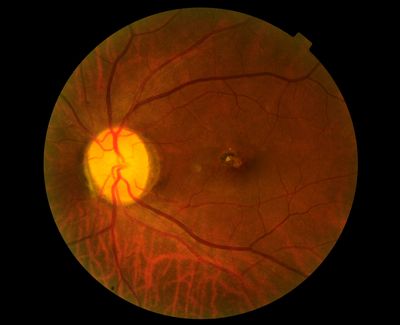
Protecting Your Central Vision Through Early Detection
Age-related macular degeneration (AMD) is one of the leading causes of vision loss among adults over the age of 50. AMD affects the macula, the central portion of the retina responsible for the sharp, detailed vision needed for reading, driving, recognizing faces, and many daily activities.
Although AMD usually does not cause complete blindness, it can significantly affect central vision and quality of life if left undetected or untreated. The good news is that regular comprehensive eye examinations and advanced retinal imaging can often detect AMD before noticeable vision loss occurs.
At Brown’s Eye Center, our doctors use modern diagnostic technology, including Optical Coherence Tomography (OCT), to diagnose, monitor, and manage age-related macular degeneration while coordinating care with retinal specialists whenever necessary.
What Is Age-Related Macular Degeneration?
Age-related macular degeneration is a progressive disease affecting the macula, the small but highly specialized area in the center of the retina responsible for detailed central vision.
As AMD progresses, damage to the macula can make activities such as reading, driving, recognizing faces, and using digital devices increasingly difficult. Peripheral (side) vision usually remains intact, meaning AMD typically does not cause complete blindness.
What Causes Macular Degeneration?
The exact cause of AMD is not fully understood. Researchers believe it develops from a combination of aging, genetics, environmental factors, and changes in the retina over time.
Several factors may increase the risk of developing AMD, including:
- Increasing age
- Family history of AMD
- Cigarette smoking
- High blood pressure
- Cardiovascular disease
- Obesity
- Diet low in leafy green vegetables and antioxidants
- Excessive ultraviolet (UV) exposure
Although some risk factors cannot be changed, maintaining a healthy lifestyle and having regular eye examinations may help reduce the risk of vision loss.
Types of Macular Degeneration
Dry Macular Degeneration
Dry AMD is the most common form, accounting for approximately 80–90% of cases. It develops gradually as tiny yellow deposits called drusen accumulate beneath the retina and retinal cells slowly deteriorate.
Vision changes are often subtle during the early stages, making routine eye examinations especially important.
Wet Macular Degeneration
Wet AMD is less common but generally more serious. It occurs when abnormal blood vessels grow beneath the retina and leak fluid or blood into the macula.
Without prompt diagnosis and treatment, wet AMD can cause rapid central vision loss.
Symptoms of Macular Degeneration
Early AMD may produce no noticeable symptoms.
As the disease progresses, patients may experience:
- Blurred central vision
- Distorted or wavy lines
- Difficulty reading
- Difficulty recognizing faces
- Reduced contrast sensitivity
- Dark or blank spots in central vision
- Needing brighter light for close work
- Difficulty adapting to dim lighting
Any sudden change in central vision should be evaluated promptly.
How Is Macular Degeneration Diagnosed?
A comprehensive eye examination may include:
- Dilated retinal examination
- Optical Coherence Tomography (OCT)
- Retinal photography
- Amsler grid evaluation
- Visual acuity testing
These tests allow your doctor to evaluate the health of the macula, monitor disease progression, and identify changes that may require additional treatment.
Can Macular Degeneration Be Prevented?
AMD cannot always be prevented, but certain lifestyle choices may help lower the risk of progression.
These include:
- Avoiding smoking
- Maintaining healthy blood pressure
- Eating a diet rich in leafy green vegetables and fish
- Exercising regularly
- Protecting your eyes from ultraviolet (UV) light
- Keeping regular eye examinations
Some patients with intermediate or advanced dry AMD may benefit from nutritional supplements recommended by their eye doctor based on the AREDS2 clinical trials. Not all patients with AMD are candidates for these supplements.
How Is Macular Degeneration Managed?
Management depends on the type and severity of AMD.
Dry AMD is typically monitored through regular comprehensive eye examinations and retinal imaging to detect progression.
Wet AMD often requires prompt referral to a retinal specialist for treatment, which may include intravitreal anti-VEGF injections or other therapies.
At Brown’s Eye Center, we diagnose and monitor AMD, educate patients about their condition, and coordinate care with retinal specialists when advanced treatment is indicated.
Why Is OCT Important for AMD?
Optical Coherence Tomography (OCT) provides detailed cross-sectional images of the retina and is one of the most valuable tools for evaluating macular degeneration.
OCT helps detect retinal swelling, fluid, drusen, and other structural changes that may not be visible during a routine examination alone. It also allows your doctor to monitor the effectiveness of treatment and identify disease progression over time.
Frequently Asked Questions
Can macular degeneration cause blindness?
AMD primarily affects central vision and usually does not cause complete blindness because peripheral vision is generally preserved.
What is the difference between dry and wet AMD?
Dry AMD develops gradually over time, while wet AMD involves abnormal blood vessel growth beneath the retina and can lead to rapid vision loss if left untreated.
Is macular degeneration hereditary?
Yes. Having a family history of AMD increases your risk of developing the condition.
Does everyone with drusen have macular degeneration?
Not necessarily. Small drusen may occur as part of normal aging, while larger or more numerous drusen may increase the risk of developing AMD.
Can vitamins cure macular degeneration?
No. Certain AREDS2 nutritional supplements may help slow progression in selected patients with intermediate or advanced dry AMD, but they do not cure the disease or restore lost vision.
Why Choose Brown’s Eye Center?
Brown’s Eye Center provides comprehensive evaluations for age-related macular degeneration using advanced diagnostic technology, including Optical Coherence Tomography (OCT), retinal imaging, and comprehensive dilated eye examinations.
Our doctors are committed to early detection, personalized monitoring, patient education, and timely referral to retinal specialists whenever advanced treatment is needed. We proudly serve patients throughout Warner Robins, Bonaire, Kathleen, Perry, Centerville, Byron, Fort Valley, Macon, and surrounding Middle Georgia communities.
Schedule Your Macular Degeneration Evaluation
If you are over age 50, have a family history of macular degeneration, or have noticed changes in your central vision, schedule a comprehensive eye examination at Brown’s Eye Center. Early detection remains one of the most important steps in protecting your vision and maintaining your quality of life.
Medical Disclaimer: This information is intended for educational purposes only and should not replace professional medical advice or a comprehensive eye examination. Sudden distortion of vision, new dark spots in your central vision, or rapid vision changes require prompt evaluation by an eye care professional.