Diabetic Retinopathy
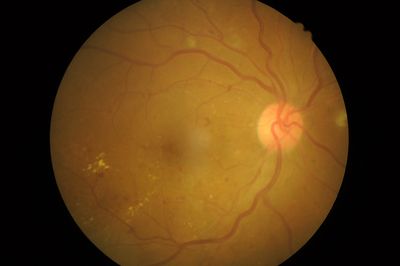
Protecting Your Vision Through Regular Diabetic Eye Examinations
Diabetic retinopathy is one of the most common complications of diabetes and a leading cause of preventable vision loss among adults. It occurs when elevated blood sugar damages the tiny blood vessels that nourish the retina, the light-sensitive tissue lining the back of the eye.
The early stages of diabetic retinopathy often develop without noticeable symptoms, making regular comprehensive diabetic eye examinations one of the most important steps in protecting your vision.
At Brown’s Eye Center, we provide comprehensive diabetic eye evaluations using advanced diagnostic technology, including Optical Coherence Tomography (OCT) and retinal imaging, to detect diabetic eye disease as early as possible and coordinate care with retinal specialists when necessary.
What Is Diabetic Retinopathy?
Diabetic retinopathy is a progressive retinal disease caused by damage to the small blood vessels of the retina resulting from diabetes.
Over time, these blood vessels may weaken, leak fluid or blood, become blocked, or stimulate the growth of abnormal new blood vessels. Without proper monitoring and treatment, diabetic retinopathy can significantly affect vision.
Many people have diabetic retinopathy for years before they notice any changes in their eyesight.
Who Is at Risk?
Anyone with diabetes can develop diabetic retinopathy, including individuals with:
- Type 1 diabetes
- Type 2 diabetes
- Gestational diabetes
The likelihood of developing diabetic retinopathy generally increases with:
- Longer duration of diabetes
- Poor blood sugar control
- High blood pressure
- High cholesterol
- Kidney disease
- Pregnancy
- Smoking
Even patients with well-controlled diabetes should continue receiving regular diabetic eye examinations.
Symptoms of Diabetic Retinopathy
Early diabetic retinopathy often causes no symptoms.
As the disease progresses, symptoms may include:
- Blurred vision
- Floaters
- Fluctuating vision
- Dark or empty areas in vision
- Difficulty reading
- Distorted vision
- Decreased color vision
- Vision loss
Because symptoms may not appear until significant retinal damage has occurred, routine eye examinations remain essential.
Stages of Diabetic Retinopathy
Mild Non-Proliferative Diabetic Retinopathy (NPDR)
Small retinal blood vessels begin to weaken and may develop tiny bulges called microaneurysms.
Moderate Non-Proliferative Diabetic Retinopathy
As retinal blood vessel damage progresses, some vessels may become blocked, reducing blood flow to the retina.
Severe Non-Proliferative Diabetic Retinopathy
A larger number of retinal blood vessels become blocked, increasing the risk that the retina will produce signals stimulating abnormal blood vessel growth.
Proliferative Diabetic Retinopathy (PDR)
New abnormal blood vessels grow on the retina and into the vitreous cavity. These fragile blood vessels may bleed or lead to serious complications such as retinal detachment.
What Is Diabetic Macular Edema (DME)?
Diabetic macular edema occurs when damaged retinal blood vessels leak fluid into the macula, the portion of the retina responsible for detailed central vision.
DME may develop at almost any stage of diabetic retinopathy and is one of the most common causes of vision loss in people with diabetes.
How Is Diabetic Retinopathy Diagnosed?
A comprehensive diabetic eye examination may include:
- Dilated retinal examination
- Optical Coherence Tomography (OCT)
- Retinal photography
- Visual acuity testing
- Measurement of intraocular pressure
These tests help evaluate the health of the retina, detect diabetic macular edema, and monitor changes over time.
Why Is OCT Important?
Optical Coherence Tomography (OCT) provides highly detailed cross-sectional images of the retina.
OCT allows doctors to detect retinal swelling, fluid accumulation, and diabetic macular edema that may not be apparent during a routine examination alone.
It also helps monitor disease progression and response to treatment.
Can Diabetic Retinopathy Be Prevented?
Although diabetic retinopathy cannot always be prevented, several steps may reduce the risk of vision-threatening complications:
- Maintain healthy blood sugar levels
- Control blood pressure
- Manage cholesterol
- Avoid smoking
- Exercise regularly
- Keep scheduled diabetic eye examinations
Good communication between your primary care physician, endocrinologist, and eye doctor is an important part of protecting your vision.
How Is Diabetic Retinopathy Managed?
Management depends on the severity of the disease.
Early diabetic retinopathy may require regular monitoring through comprehensive eye examinations and retinal imaging.
More advanced disease may require referral to a retinal specialist for treatments such as anti-VEGF injections, laser procedures, or surgery when appropriate.
At Brown’s Eye Center, we diagnose and monitor diabetic retinopathy, educate patients about diabetic eye health, and coordinate care with retinal specialists whenever advanced treatment is indicated.
Why Annual Diabetic Eye Exams Matter
Many patients believe that good vision means their eyes are healthy.
Unfortunately, diabetic retinopathy often develops without symptoms until permanent damage has already occurred.
Annual comprehensive diabetic eye examinations remain one of the most effective ways to detect diabetic eye disease early and preserve long-term vision.
Frequently Asked Questions
Can diabetic retinopathy cause blindness?
Yes. If left untreated, diabetic retinopathy can lead to severe vision loss or blindness. Regular eye examinations and timely treatment greatly reduce this risk.
Can I have diabetic retinopathy without blurry vision?
Yes. Many patients have no symptoms during the early stages of diabetic retinopathy.
How often should diabetics have an eye exam?
Most people with diabetes should have a comprehensive dilated eye examination at least once a year. Some patients may require more frequent monitoring based on their eye health and medical history.
Is diabetic retinopathy reversible?
Some retinal changes can be managed with appropriate treatment, but vision loss from advanced diabetic retinopathy may be permanent. Early detection offers the best opportunity to preserve vision.
What is the difference between diabetic retinopathy and diabetic macular edema?
Diabetic retinopathy refers to damage affecting the retinal blood vessels, while diabetic macular edema is swelling of the macula caused by leaking retinal blood vessels. A person may have one or both conditions.
Why Choose Brown’s Eye Center?
Brown’s Eye Center provides comprehensive diabetic eye examinations using advanced diagnostic technology, including Optical Coherence Tomography (OCT), retinal imaging, and comprehensive dilated eye examinations.
Our doctors are committed to early detection, personalized monitoring, patient education, and timely referral to retinal specialists whenever advanced treatment is needed. We proudly serve patients throughout Warner Robins, Bonaire, Kathleen, Perry, Centerville, Byron, Fort Valley, Macon, and surrounding Middle Georgia communities.
Schedule Your Diabetic Eye Examination
If you have diabetes, protecting your vision starts with regular comprehensive eye examinations. Brown’s Eye Center is committed to helping patients detect diabetic eye disease early through advanced retinal imaging and personalized eye care.
Contact Brown’s Eye Center today to schedule your diabetic eye examination and take an important step toward protecting your long-term vision.
Medical Disclaimer: This information is intended for educational purposes only and should not replace professional medical advice or a comprehensive eye examination. People with diabetes should follow the eye examination schedule recommended by their eye care professional and diabetes care team.