Glaucoma: Early Detection Can Help Protect Your Vision
Glaucoma: Understanding the Silent Thief of Sight
Glaucoma is one of the leading causes of irreversible vision loss worldwide. Because it often develops slowly and without noticeable symptoms, many people do not realize they have glaucoma until permanent vision loss has already occurred. For this reason, glaucoma is often called the “silent thief of sight.”
The encouraging news is that modern eye care allows glaucoma to be detected much earlier than ever before. Regular comprehensive eye examinations, especially for those with increased risk factors, can identify glaucoma or glaucoma suspects before significant vision is lost.
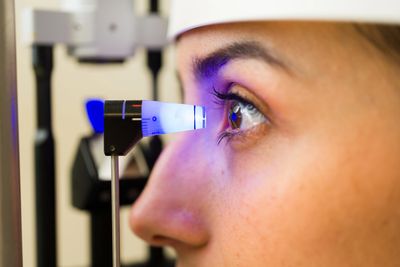
At Brown’s Eye Center, our doctors utilize advanced diagnostic technology to evaluate the optic nerve, assess glaucoma risk, and monitor for subtle changes over time. Early diagnosis and careful long-term monitoring remain the most effective ways to preserve vision.
What Is Glaucoma?
Glaucoma is not a single disease but rather a group of eye conditions that damage the optic nerve. The optic nerve carries visual information from your eyes to your brain. When the optic nerve becomes damaged, permanent vision loss can occur.
In most cases, glaucoma initially affects peripheral (side) vision. Because the brain often compensates for gradual changes, many patients remain completely unaware that vision loss has begun. As glaucoma progresses, untreated optic nerve damage may continue until central vision is affected.
Unlike cataracts, vision lost from glaucoma generally cannot be restored. This makes early detection especially important.
What Causes Glaucoma?
Despite decades of research, the exact cause of glaucoma is still not completely understood.
Scientists believe glaucoma develops when the optic nerve becomes damaged through a combination of factors. Elevated intraocular pressure (eye pressure) is the most important known modifiable risk factor, but it is not the sole cause of glaucoma.
Some individuals have elevated eye pressure for many years without developing optic nerve damage, a condition known as ocular hypertension. Conversely, others develop glaucoma even though their eye pressure remains within the statistically normal range, known as normal-tension glaucoma.
Current research suggests that glaucoma likely results from multiple factors working together, including:
- Increased susceptibility of the optic nerve
- Elevated intraocular pressure
- Genetics
- Age-related changes
- Blood flow to the optic nerve
- Structural characteristics of the optic nerve
- Other biological factors that researchers continue to investigate
Because glaucoma is more complex than eye pressure alone, diagnosing glaucoma requires evaluating the entire eye rather than relying on a single measurement.
Types of Glaucoma
Primary Open-Angle Glaucoma
Primary open-angle glaucoma is the most common form of glaucoma. It usually develops slowly over many years and often causes no pain or noticeable symptoms during the early stages.
Damage to the optic nerve occurs gradually, making routine eye examinations essential for early detection.
Angle-Closure Glaucoma
Angle-closure glaucoma occurs when the eye’s drainage angle becomes blocked, preventing normal fluid drainage.
Symptoms may include:
- Severe eye pain
- Blurred vision
- Halos around lights
- Headache
- Nausea or vomiting
- Red eye
Acute angle-closure glaucoma is an eye emergency requiring immediate evaluation to reduce the risk of permanent vision loss.
Normal-Tension Glaucoma
Some patients develop optic nerve damage despite eye pressure measurements that fall within the normal range.
Researchers believe reduced blood flow, increased optic nerve susceptibility, or other factors may contribute.
Secondary Glaucoma
Secondary glaucoma develops because of another eye condition or medical factor, such as:
- Eye injuries
- Eye inflammation
- Certain medications (including prolonged corticosteroid use)
- Pigment dispersion
- Pseudoexfoliation syndrome
- Previous eye surgery
Treatment often involves managing both the glaucoma and the underlying condition.
Who Is at Higher Risk?
Anyone can develop glaucoma, but certain factors increase the likelihood of developing the disease.
Risk factors include:
- Age over 60
- Family history of glaucoma
- African American, Hispanic, or Asian ancestry (depending on glaucoma subtype)
- Elevated eye pressure
- Diabetes
- High myopia (nearsightedness)
- Thin corneas
- Previous eye injuries
- Long-term corticosteroid use
Having one or more risk factors does not necessarily mean you will develop glaucoma, but it does increase the importance of regular comprehensive eye examinations.
What Are the Symptoms of Glaucoma?
One of glaucoma’s greatest challenges is that early disease usually causes no noticeable symptoms.
As glaucoma progresses, patients may experience:
- Gradual loss of side vision
- Difficulty seeing in dim lighting
- Trouble navigating stairs
- Difficulty noticing objects approaching from the side
Advanced glaucoma may eventually affect central vision.
Symptoms of acute angle-closure glaucoma differ and may include:
- Severe eye pain
- Sudden blurred vision
- Halos around lights
- Red eye
- Headache
- Nausea or vomiting
These symptoms require prompt medical evaluation.
Is High Eye Pressure the Same as Glaucoma?
No.
Although elevated intraocular pressure is one of the most important risk factors for glaucoma, high eye pressure alone does not mean someone has glaucoma.
Likewise, glaucoma can develop in patients whose eye pressure falls within the normal range.
For this reason, diagnosing glaucoma involves evaluating multiple aspects of eye health rather than relying solely on eye pressure.
How Is Glaucoma Diagnosed?
A comprehensive glaucoma evaluation may include:
- Measurement of intraocular pressure
- Examination of the optic nerve
- Optical Coherence Tomography (OCT)
- Visual field testing
- Corneal thickness measurement (pachymetry)
- Gonioscopy when indicated
- Dilated retinal examination
These tests provide different pieces of information that help determine whether glaucoma is present or whether careful monitoring is appropriate.
Can Vision Lost From Glaucoma Be Restored?
Unfortunately, vision loss from glaucoma is generally permanent.
Current treatments are designed to slow or prevent additional optic nerve damage, making early diagnosis especially important.
The earlier glaucoma is detected, the greater the opportunity to preserve existing vision.
How Is Glaucoma Managed?
Management depends on the type and severity of glaucoma.
The primary goal is to reduce the risk of additional optic nerve damage. Depending on the individual patient, management may include:
- Prescription eye drops
- Laser procedures
- Surgical treatment performed by an ophthalmologist
- Regular monitoring with imaging and visual field testing
At Brown’s Eye Center, we evaluate patients for glaucoma, monitor disease progression, and coordinate care with glaucoma specialists whenever advanced treatment or surgery is appropriate.
Can Glaucoma Be Prevented?
Although glaucoma cannot always be prevented, regular eye examinations significantly improve the chance of detecting the disease before noticeable vision loss occurs.
Patients with increased risk factors may benefit from more frequent examinations as recommended by their eye doctor.
Frequently Asked Questions
Is glaucoma hereditary?
Yes. Having a close family member with glaucoma increases your risk.
Does everyone with high eye pressure develop glaucoma?
No. Many people with ocular hypertension never develop optic nerve damage.
Can glaucoma occur with normal eye pressure?
Yes. Normal-tension glaucoma is a well-recognized form of glaucoma.
Can glaucoma cause blindness?
If left untreated, glaucoma can result in severe permanent vision loss. Early diagnosis and appropriate management greatly reduce this risk.
How often should glaucoma patients be examined?
The recommended follow-up schedule depends on each patient’s individual condition and risk factors.
Why Choose Brown’s Eye Center?
At Brown’s Eye Center, we are committed to protecting your vision through comprehensive glaucoma evaluations, advanced diagnostic technology, and personalized care. Our doctors carefully evaluate each patient’s individual risk factors and develop monitoring plans tailored to their specific needs.
Whether you have elevated eye pressure, a family history of glaucoma, or simply want a comprehensive eye examination, our experienced team is here to help.
Schedule Your Comprehensive Eye Examination
Regular comprehensive eye examinations remain one of the most effective ways to detect glaucoma before noticeable vision loss occurs.
If you have concerns about glaucoma or are due for an eye examination, contact Brown’s Eye Center today to schedule an appointment. We proudly serve patients throughout Warner Robins, Bonaire, Kathleen, Perry, Centerville, Byron, Fort Valley, Macon, and surrounding Middle Georgia communities.
Medical Disclaimer: This information is intended for educational purposes only and should not replace a comprehensive eye examination or personalized medical advice. If you experience sudden vision loss, severe eye pain, flashes of light, a sudden increase in floaters, or other concerning symptoms, seek prompt medical evaluation.