Plaquenil (Hydroxychloroquine) Eye Exams & Retinal Toxicity Screening
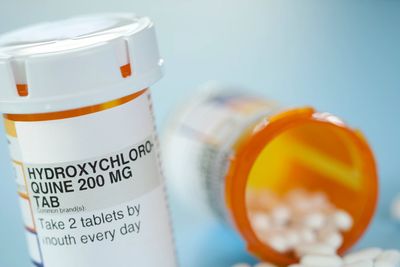
Plaquenil® (Hydroxychloroquine) Eye Screening: Protecting Your Vision
Hydroxychloroquine, commonly known by the brand name Plaquenil®, is an effective medication used to treat autoimmune diseases such as rheumatoid arthritis, systemic lupus erythematosus (lupus), Sjögren’s syndrome, and other inflammatory conditions. For many patients, Plaquenil provides significant long-term health benefits and improves quality of life.
Although hydroxychloroquine is generally considered a safe medication when used appropriately, prolonged use can rarely cause damage to the retina, particularly the macula—the part of the retina responsible for sharp central vision. This condition is known as hydroxychloroquine retinal toxicity or Plaquenil retinal toxicity.
The encouraging news is that regular eye examinations using specialized retinal imaging and visual field testing can often detect retinal changes before noticeable vision loss develops, making routine screening an essential part of long-term Plaquenil therapy.
At Brown’s Eye Center, we provide comprehensive Plaquenil eye screening using advanced diagnostic technology to help detect early retinal changes and protect your vision.
What Is Plaquenil (Hydroxychloroquine)?
Hydroxychloroquine is a prescription medication originally developed to treat malaria but is now most commonly used to manage autoimmune diseases.
It is frequently prescribed for:
- Rheumatoid arthritis
- Systemic lupus erythematosus (SLE)
- Sjögren’s syndrome
- Certain connective tissue diseases
- Other autoimmune and inflammatory disorders
Many patients take hydroxychloroquine safely for many years. Because retinal toxicity develops gradually and often causes no symptoms initially, regular screening is recommended.
What Is Plaquenil Retinal Toxicity?
Plaquenil retinal toxicity occurs when hydroxychloroquine affects the light-sensitive cells of the retina.
The retina converts light into electrical signals that are sent to the brain through the optic nerve. Within the retina, the macula provides the detailed central vision needed for reading, driving, recognizing faces, and many daily activities.
When retinal toxicity develops, damage may occur slowly over time. Unfortunately, retinal damage caused by hydroxychloroquine is generally not reversible, making early detection especially important.
Who Is at Risk?
Most people taking hydroxychloroquine never develop retinal toxicity.
However, several factors increase the risk, including:
- Higher daily dosage relative to body weight
- Long-term use (especially beyond five years)
- Higher cumulative lifetime dose
- Kidney disease
- Pre-existing retinal or macular disease
- Concurrent use of tamoxifen
- Older age (may influence overall retinal health)
Your prescribing physician and eye doctor work together to balance the benefits of hydroxychloroquine with the small risk of retinal toxicity.
What Are the Symptoms?
One of the greatest challenges is that early retinal toxicity usually causes no noticeable symptoms.
As damage progresses, patients may experience:
- Blurred central vision
- Difficulty reading
- Difficulty recognizing faces
- Missing areas in vision
- Distorted vision
- Decreased color vision
- Difficulty seeing fine detail
Because symptoms often appear only after retinal damage has already occurred, routine screening remains extremely important.
How Often Should I Have a Plaquenil Eye Exam?
Current recommendations generally include:
- A comprehensive baseline eye examination after starting hydroxychloroquine to document retinal health.
- Annual screening beginning after five years of therapy for patients without additional major risk factors.
- Earlier or more frequent screening for patients with higher risk factors, such as higher daily doses, kidney disease, tamoxifen use, or existing retinal disease.
The exact screening schedule should be determined by your eye doctor in coordination with the physician prescribing hydroxychloroquine.
What Tests Are Used to Screen for Plaquenil Toxicity?
Modern screening uses specialized diagnostic technology capable of detecting subtle retinal changes before vision is affected.
Optical Coherence Tomography (OCT)
Optical Coherence Tomography (OCT) produces detailed cross-sectional images of the retina.
OCT allows doctors to evaluate the retinal layers that may show early structural changes associated with hydroxychloroquine toxicity.
Because OCT can identify microscopic retinal changes before patients notice symptoms, it has become one of the most important tools in Plaquenil screening.
Visual Field Testing
Automated visual field testing evaluates how well different parts of your central vision function.
This test helps identify small areas of decreased retinal sensitivity that may indicate early toxicity.
Visual field testing complements OCT because one evaluates retinal structure while the other evaluates retinal function.
Dilated Retinal Examination
A comprehensive dilated eye examination allows your doctor to evaluate the retina, macula, and optic nerve while also screening for other eye diseases that may affect vision.
Additional Testing
Depending on your individual situation, additional testing such as fundus autofluorescence (FAF) or multifocal electroretinography (mfERG) may be recommended to further evaluate retinal health.
Can Plaquenil Retinal Toxicity Be Reversed?
Unfortunately, retinal damage caused by hydroxychloroquine is generally permanent.
The goal of screening is not to reverse damage but rather to identify retinal changes as early as possible so your treating physicians can determine the most appropriate next steps.
Early detection significantly reduces the risk of developing noticeable vision loss.
Should I Stop Taking Plaquenil?
No. Do not stop taking hydroxychloroquine without first discussing it with the physician who prescribed the medication.
Hydroxychloroquine is often essential for controlling autoimmune disease, and the decision to continue, adjust, or discontinue treatment should always be made in consultation with your rheumatologist or other prescribing physician after considering your overall health and eye examination findings.
Why Regular Screening Matters
Hydroxychloroquine retinal toxicity often develops silently.
By the time symptoms become noticeable, retinal damage may already be permanent.
Routine screening using modern retinal imaging allows doctors to detect subtle abnormalities before patients experience significant vision changes.
This proactive approach helps preserve long-term vision while supporting the safe use of hydroxychloroquine.
Why Choose Brown’s Eye Center for Plaquenil Screening?
Brown’s Eye Center provides comprehensive hydroxychloroquine retinal screening using advanced diagnostic technology, including Optical Coherence Tomography (OCT), automated visual field testing, and comprehensive retinal examinations.
Our doctors work closely with rheumatologists, primary care physicians, and other healthcare providers to monitor retinal health and communicate important findings that may influence ongoing care.
We proudly serve patients throughout Warner Robins, Bonaire, Kathleen, Perry, Centerville, Byron, Fort Valley, Macon, and surrounding Middle Georgia communities.
Frequently Asked Questions
Does everyone taking Plaquenil develop retinal toxicity?
No. Most patients taking hydroxychloroquine never develop retinal toxicity, especially when appropriate dosing and recommended screening guidelines are followed.
Is Plaquenil retinal toxicity reversible?
Unfortunately, retinal damage is generally permanent. Early detection through regular screening is the best way to reduce the risk of vision loss.
Does an OCT scan detect Plaquenil toxicity?
OCT is one of the primary tests used to detect early structural retinal changes associated with hydroxychloroquine toxicity. It is typically interpreted alongside other clinical findings and visual field testing.
Why do I need a visual field test if my vision seems normal?
Visual field testing can detect subtle functional changes before noticeable vision loss develops, making it an important part of routine Plaquenil screening.
Can I continue taking Plaquenil if my eye exam is normal?
Many patients safely continue hydroxychloroquine for years while undergoing regular eye examinations. Decisions regarding medication should always be made with your prescribing physician.
What symptoms should prompt an immediate eye examination?
Contact your eye doctor promptly if you notice blurred central vision, missing areas in your vision, difficulty reading, distorted vision, or other new visual changes.
Related Pages
- Optical Coherence Tomography (OCT)
- Visual Field Testing
- Retina & Macular Conditions
- Comprehensive Eye Exams
- Diabetic Eye Exams
- Age-Related Macular Degeneration
- Autoimmune Diseases & Eye Health
Schedule Your Plaquenil Eye Examination
If you take Plaquenil (hydroxychloroquine), regular eye examinations are an important part of protecting your long-term vision. Brown’s Eye Center provides comprehensive retinal screening using advanced diagnostic technology to help detect early retinal changes before noticeable vision loss develops.
Contact Brown’s Eye Center today to schedule your Plaquenil eye examination and maintain your eye health while continuing the care recommended by your physician.
Medical Disclaimer: This information is intended for educational purposes only and should not replace medical advice from your physician or eye care provider. Never stop or change your prescribed medications without consulting the healthcare professional managing your condition.